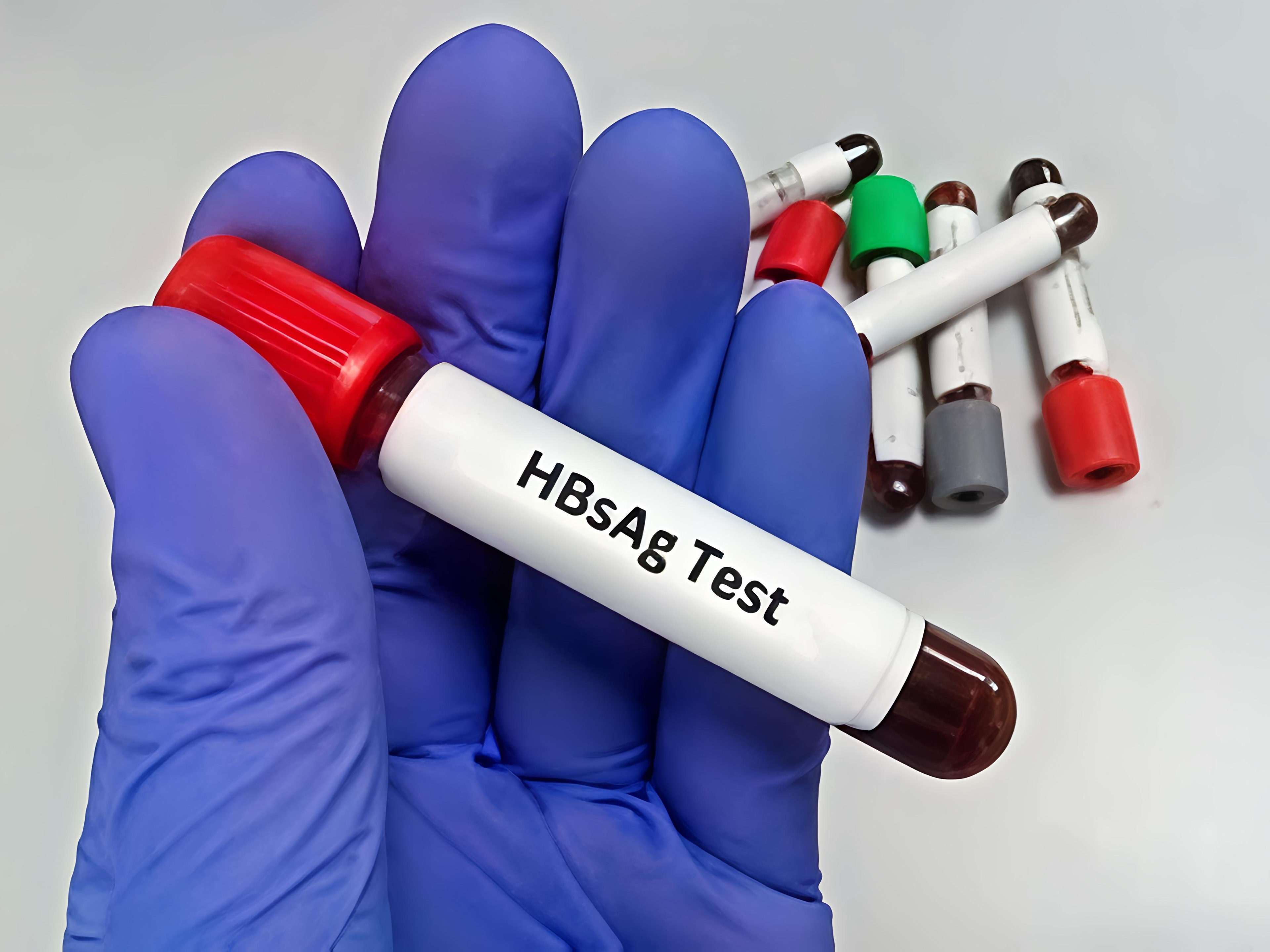
HBsAg CLIA Test
The HBsAg CLIA test is a highly sensitive blood test that detects Hepatitis B surface antigen (HBsAg) using Chemiluminescent Immunoassay (CLIA) technology. HBsAg is a protein present on the surface of the Hepatitis B virus (HBV), indicating active infection, either acute or chronic. The CLIA method provides rapid and precise detection of HBsAg, making it valuable for early diagnosis, blood donor screening, and monitoring antiviral therapy. Doctors recommend this test for individuals with jaundice, fatigue, abdominal pain, unexplained liver enzyme elevation, or risk factors such as blood transfusions, unprotected sex, or intravenous drug use. Timely detection helps prevent liver complications and viral transmission.
Normal reference range:
- HBsAg: Negative
- A positive result indicates active Hepatitis B infection and requires further evaluation and follow-up.
How Is the HBsAg CLIA Test Done?
The HBsAg CLIA test is performed on a blood sample in a laboratory.
Preparation:
- Fasting is generally not required, unless advised by your doctor.
- Inform your doctor about medications or supplements, particularly antivirals or immunosuppressants.
- Avoid alcohol or hepatotoxic substances before testing.
- Stay hydrated and relaxed.
Procedure:
- The skin at the puncture site (usually the inner elbow) is cleaned.
- A sterile needle is inserted into a vein, and a small blood sample is collected.
- The sample is analyzed in the laboratory using chemiluminescent immunoassay technology, which uses light emission to detect HBsAg with high sensitivity.
- Results are typically available within 24–48 hours.
The HBsAg CLIA test may be ordered alongside liver function tests, HBV DNA viral load, HBeAg, and anti-HBc for a comprehensive assessment.
What Are the Side Effects?
The HBsAg CLIA test is safe and minimally invasive.
Common Mild Side Effects:
- Slight discomfort at the needle site
- Minor bruising
- Mild bleeding
- Temporary dizziness
Rare Side Effects:
- Infection at the puncture site
- Fainting
- Hematoma (blood pooling under the skin)
There are no long-term side effects from the test itself.
What Happens If Hepatitis B Is Not Detected or Treated?
Untreated Hepatitis B infection can lead to serious liver and systemic complications.
Possible Complications:
- Chronic Hepatitis B: Persistent liver infection causing progressive liver damage
- Cirrhosis: Liver scarring and reduced function
- Hepatocellular Carcinoma (Liver Cancer): Increased risk in chronic infection
- Acute Liver Failure: Severe liver injury in some cases
- Transmission to Others: Bloodborne, sexual, or vertical (mother to child) transmission
- Fatigue and Weakness: Long-term illness affecting daily life
- Pregnancy Risks: Transmission to the baby if untreated
Early detection and treatment reduce the risk of chronic liver disease, cancer, and viral spread.
Treatment and Management
Management depends on infection status:
- Acute Hepatitis B: Supportive care including rest, hydration, and nutrition
- Chronic Hepatitis B: Antiviral therapy (e.g., tenofovir, entecavir) to suppress viral replication
- Vaccination: For non-infected individuals or at-risk contacts
- Monitoring: Regular liver function tests, HBV DNA levels, and liver imaging
- Lifestyle Measures: Avoid alcohol, hepatotoxic drugs, and maintain a balanced diet
Timely intervention improves long-term outcomes and prevents complications.
Which Doctor Should You Consult?
- Hepatologist or Gastroenterologist: For liver disease management and antiviral therapy
- Infectious Disease Specialist: For complex or co-infected cases
- General Physician (MD): Initial evaluation, screening, and referral
Additional tests may include HBeAg, anti-HBc, liver ultrasound, HBV DNA viral load, and liver biopsy depending on the clinical scenario.
Conclusion
The HBsAg CLIA test is essential for detecting active Hepatitis B infection. It is safe, rapid, and highly accurate. Untreated Hepatitis B can lead to chronic liver disease, cirrhosis, liver cancer, and transmission to others. Early diagnosis, antiviral therapy, vaccination, lifestyle management, and follow-up with a hepatologist or physician are crucial for preventing complications and maintaining liver health.